
Regulation & Nervous System Support
Sustained psychological growth depends on nervous system regulation. Without physiological stability, reflection cannot fully integrate. The following tools are designed to support autonomic balance, recovery, and resilience—bolstering therapeutic work and reinforcing lasting change beyond the session.
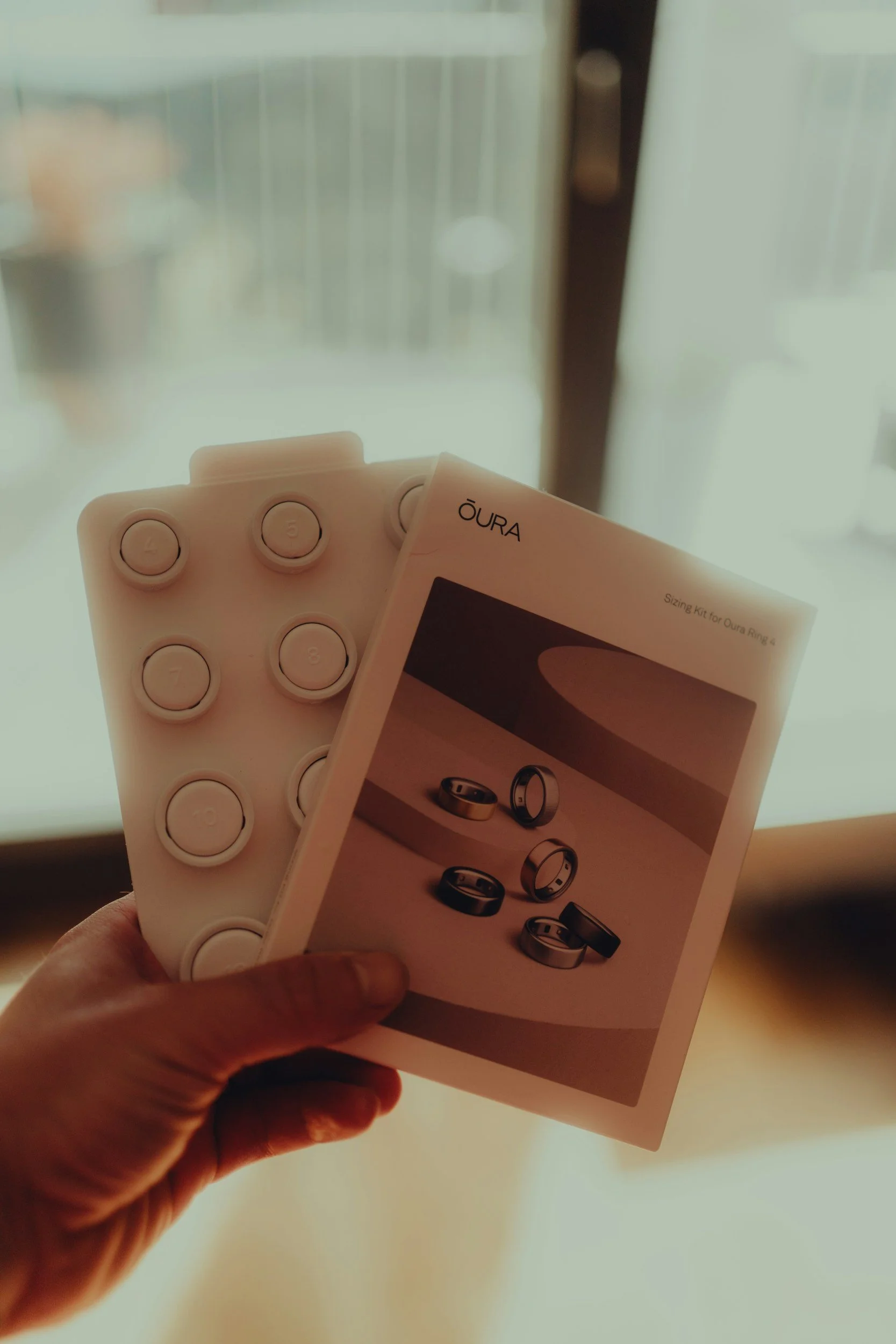
Wearables
Devices such as the Oura Ring and Whoop band provide objective data on sleep, recovery, and physiological strain—translating subtle nervous system patterns into measurable insight. Used thoughtfully, they support self-awareness, accountability, and sustainable regulation. Data does not replace intuition, but it can sharpen it.
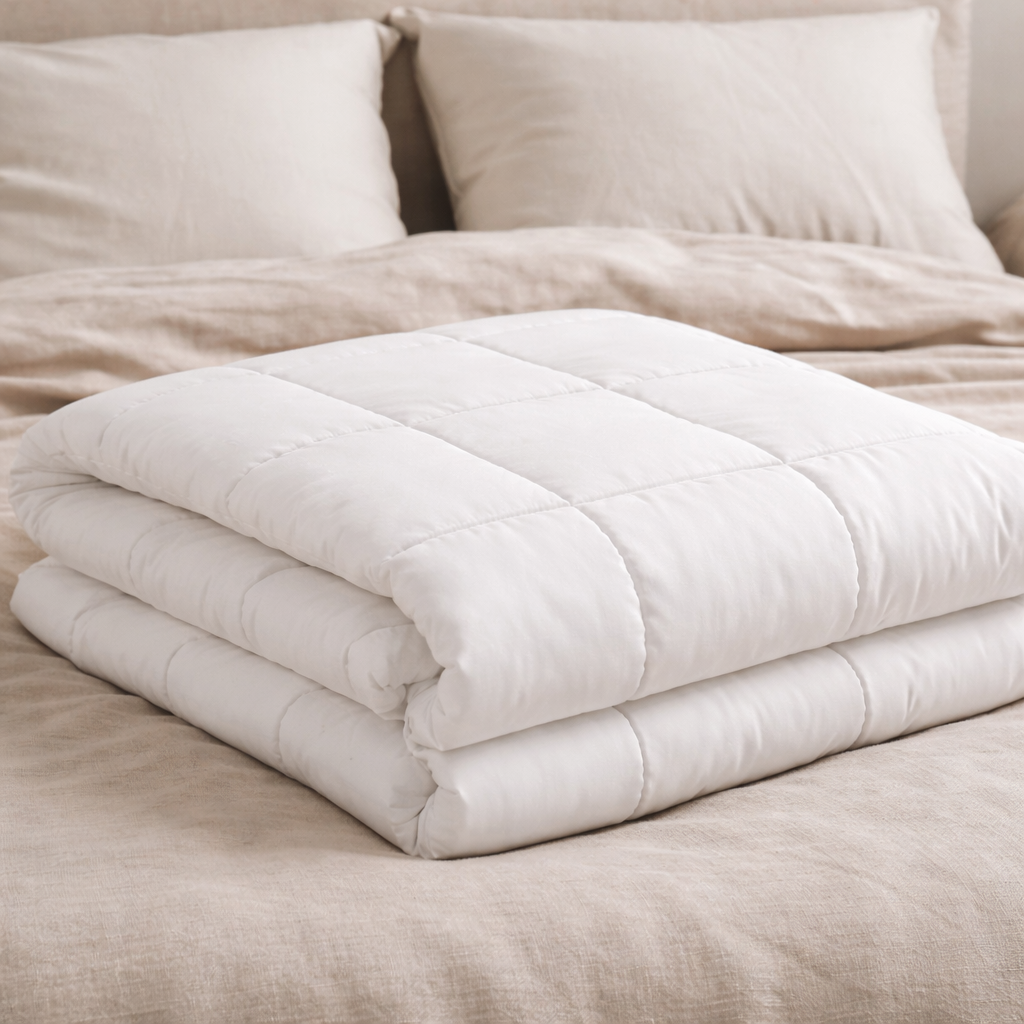
Weighted Blanket
A weighted blanket provides deep pressure stimulation, which can support parasympathetic activation and a sense of grounded containment. For individuals with anxiety, hyperarousal, or difficulty settling at night, this added input can promote calm and improve sleep continuity. When well-constructed and appropriately weighted, it serves as a simple but effective adjunct to nervous system regulation and ongoing therapeutic integration.
Try this one or this option
Select a weight that is roughly 10% of body weight and ensure breathability and comfort.
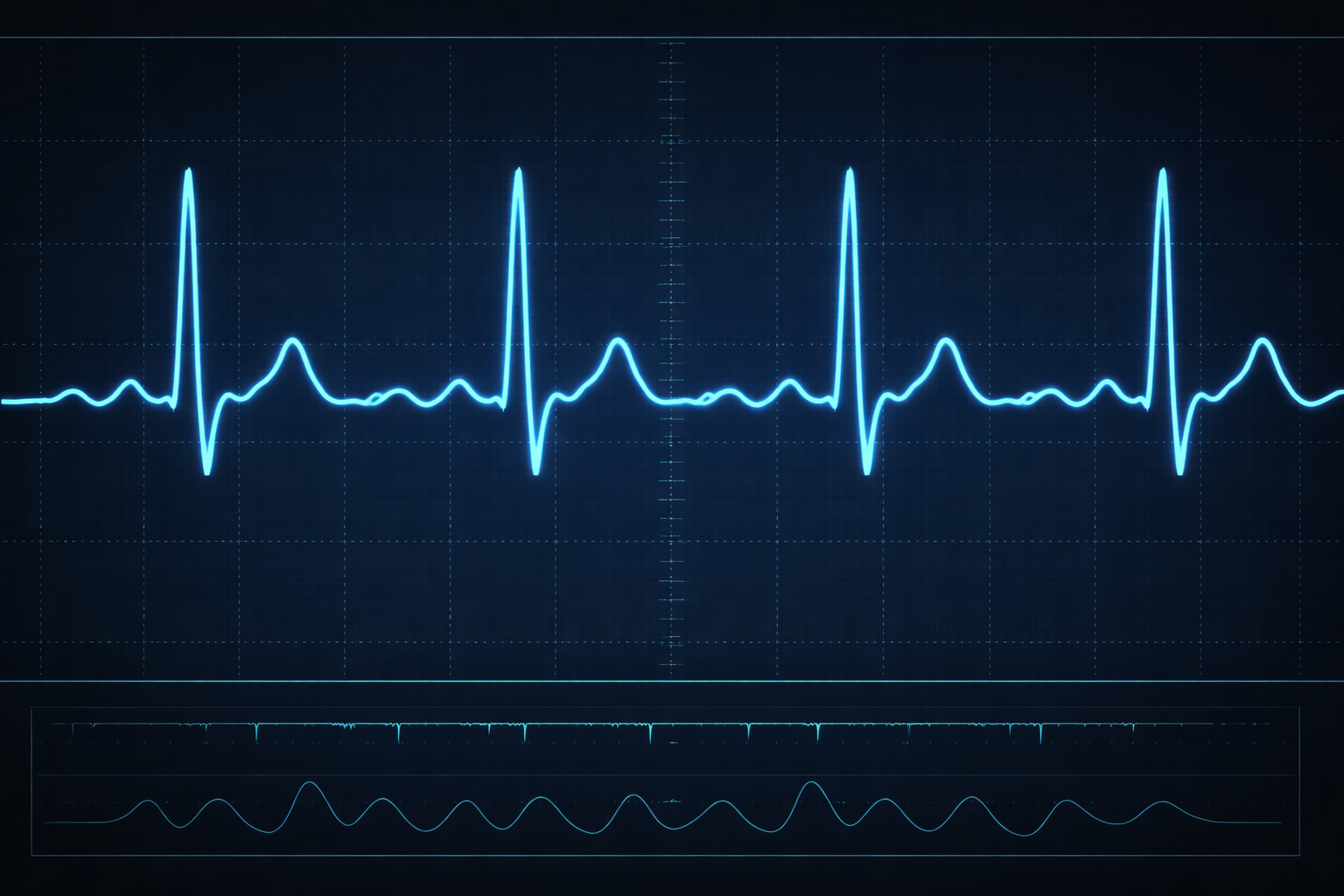
HRV Training
Heart Rate Variability (HRV) training develops measurable control over autonomic regulation. My absolute favorite app for HRV training & biofeedback is Optimal HRV, paired with a high-accuracy and app-compatible monitor like the Polar H10, which provides real-time biofeedback to strengthen vagal tone and stress resilience. Unlike passive tracking, HRV training is an active regulation practice—building the capacity to downshift physiological arousal with intention and repeatability.
When used consistently, it supports both trauma recovery and performance optimization by increasing nervous system flexibility over time.
High Return. Zero Invoice.
While tools are incredibly supportive in augmenting regulation, there are also tons of effective regulatory techniques that do not have a price tag. Consistent, small physiological interventions—applied daily—often produce more stability than sporadic high-intensity tools. These practices require nothing but attention and repetition.
Extended Exhale Breathing
Inhale for 4. Exhale for 6–8.
Longer exhales stimulate vagal pathways and reduce sympathetic activation. Two to five minutes can meaningfully shift autonomic tone, whether before sleep, during difficult conversations, or in moments of overwhelm.Multi-Sensory Grounding
Engage the senses deliberately and intenselySight: Name 5 neutral objects you see.
Taste: Use a sour candy or strong mint to interrupt stress spirals.
Touch: Run your hands over a textured surface (fabric, wood grain, stone).
Hearing: Listen to a brief ASMR clip or ambient sound and track it fully.
Intentional sensory engagement redirects attention outward and reinforces present-moment safety.
Orienting Practice
Slowly turn your head and visually scan your environment. Notice exits, corners, light sources, and open space.
The nervous system settles when it confirms safety through visual orientation—particularly helpful for chronic hypervigilance.Cold Water Reset
Splash cool water on the face or hold a cool compress to the cheeks and around the eyes for 20–30 seconds.
This stimulates the trigeminal and vagal pathways, promoting a rapid autonomic shift. A brief physiological reset can interrupt escalating activation without any equipment.
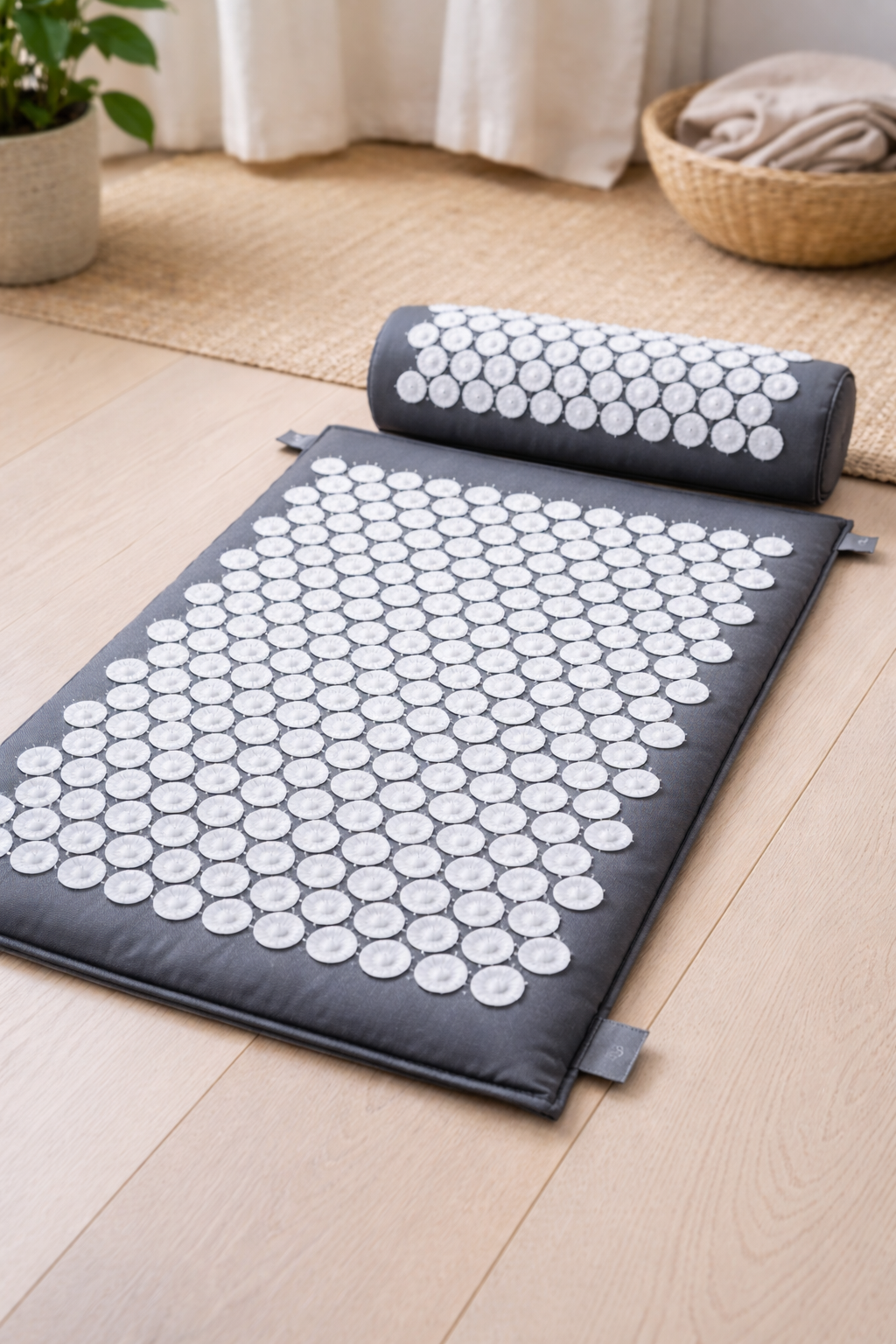
Acupressure Mat
An acupressure mat uses hundreds of small, evenly distributed spikes to deliver concentrated pressure across the back and shoulders. This patterned stimulation can increase circulation, interrupt muscular guarding, and encourage parasympathetic settling. For individuals carrying chronic tension or sympathetic activation, it serves as a direct somatic input that reinforces nervous system regulation.
Use with a gradual approach—begin clothed for short intervals (5–10 minutes), and slowly increase duration and exposure to bare skin as tolerance builds. Consistency and pacing matter more than intensity.